



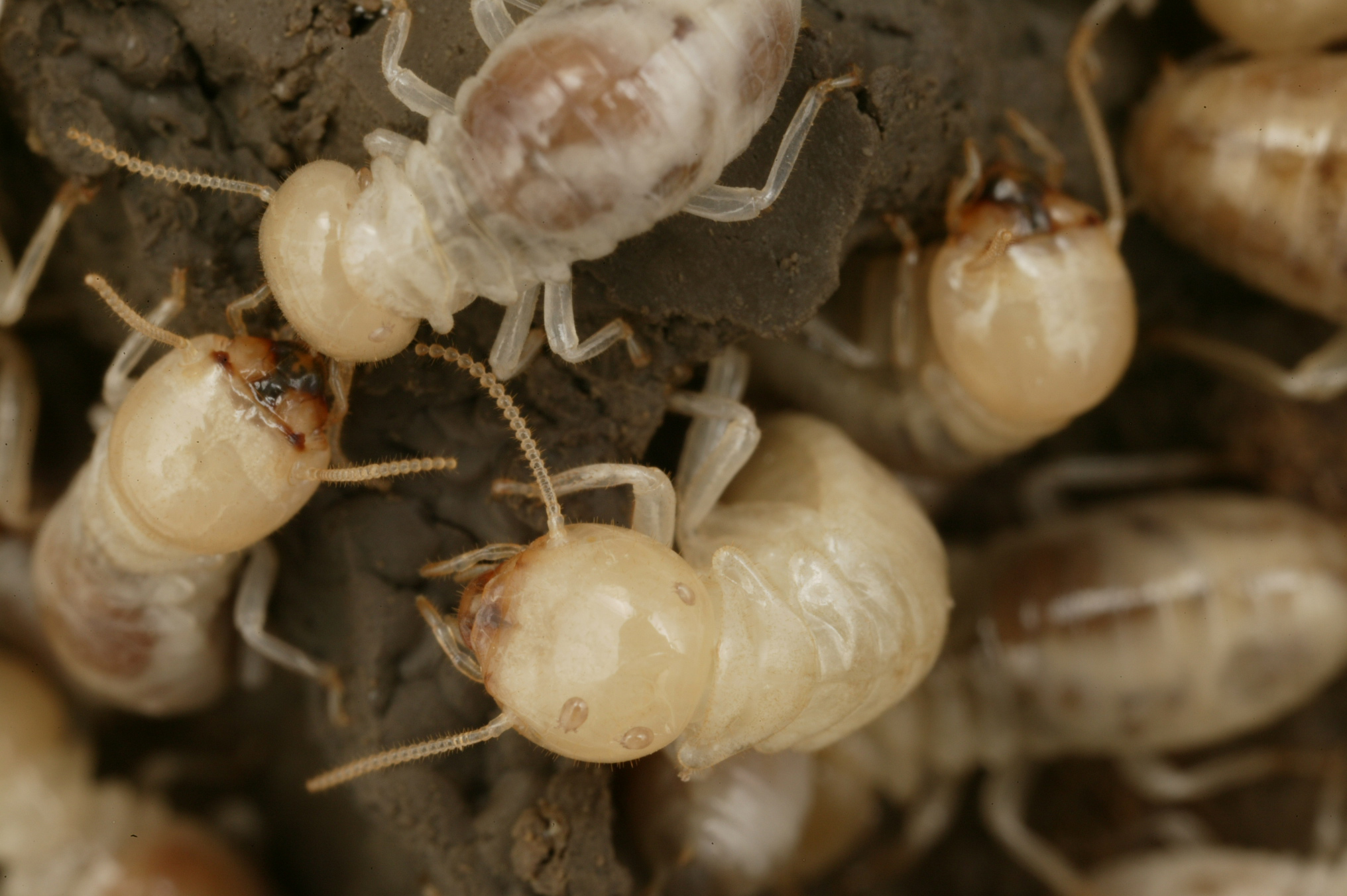
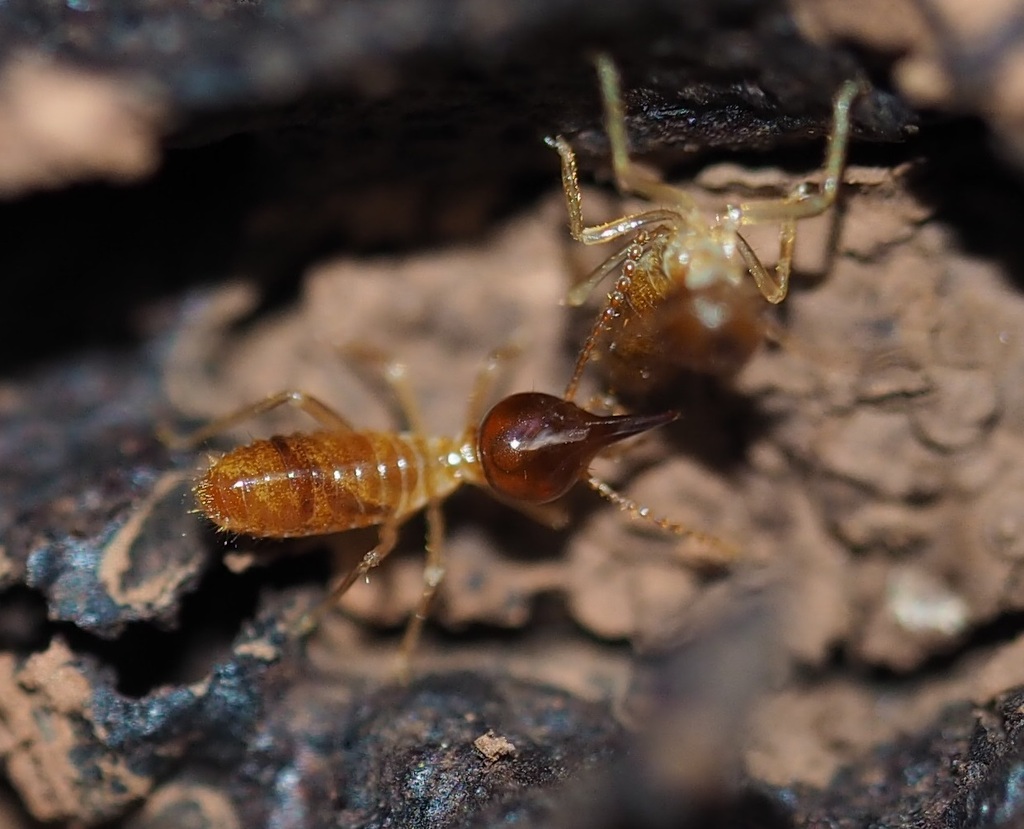
In homage to the multimodal nature of Yancey's CCC's poster page and in the spirit of Haraway's oddkin, three Australian termites serve as trailblazers--three different points of view--for a sympoietic rhetorical situation.
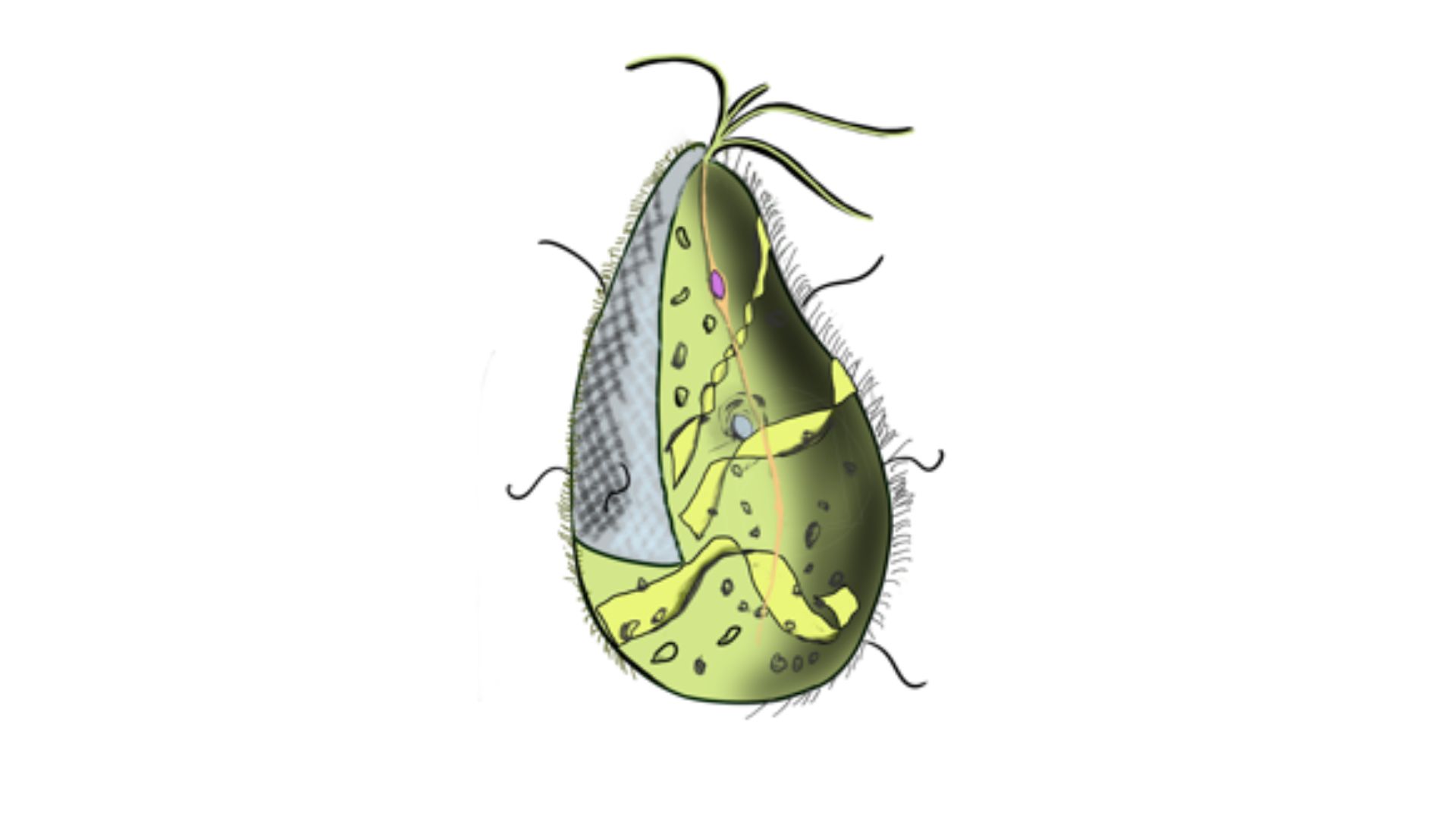
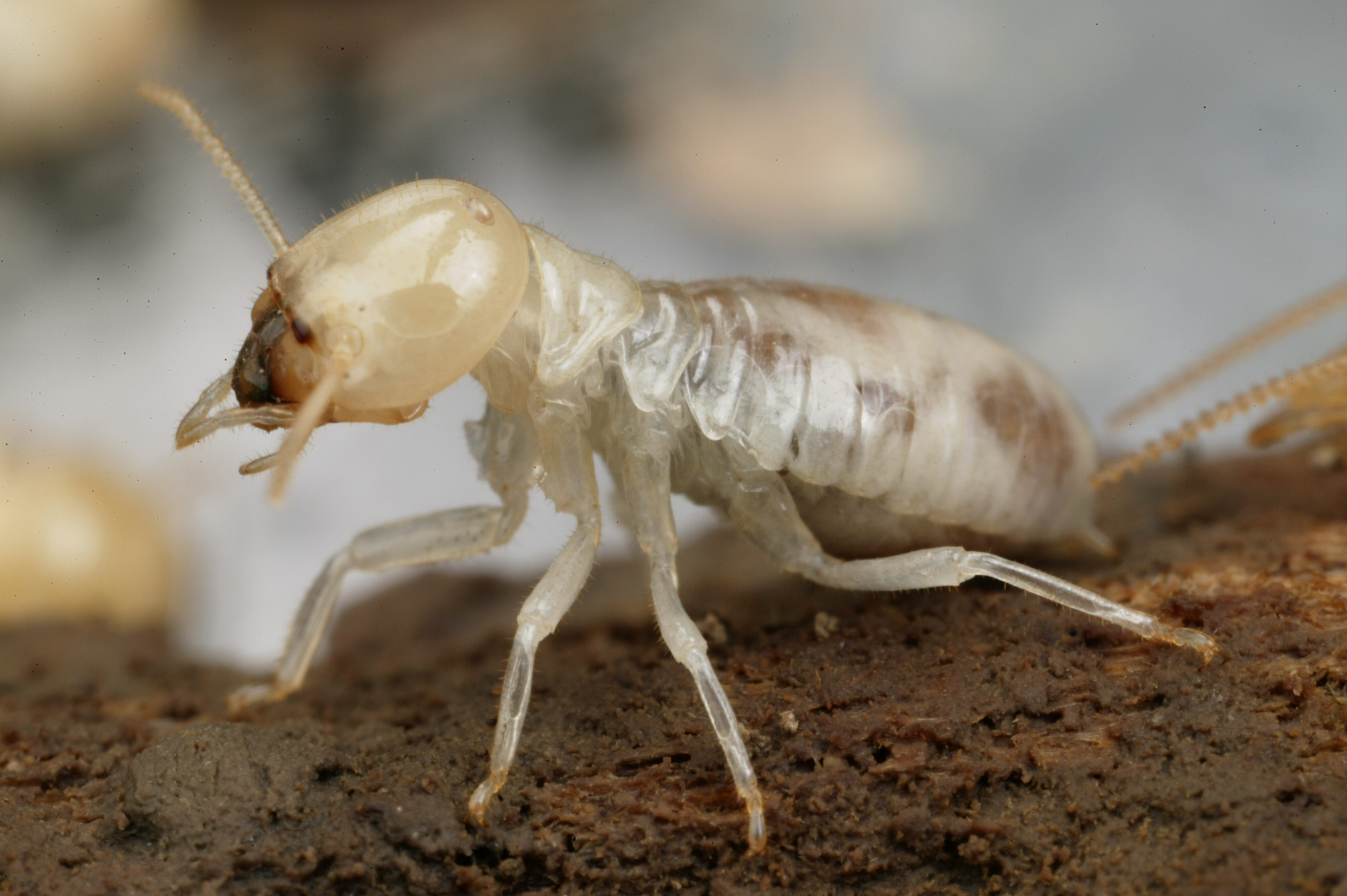
First, M. darwiniensis, in conjunction with Mixotricha paradoxa (M. paradoxa), a protozoan nesting in its host's hindgut, illuminates two threshold concepts at the heart of a sympoietic rhetorical situation: oddkin and sympoiesis.
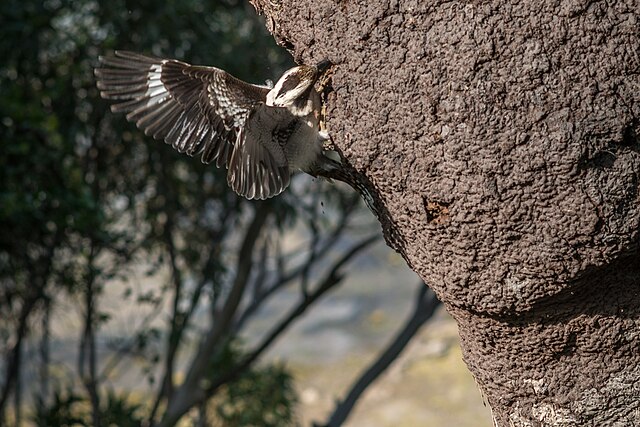
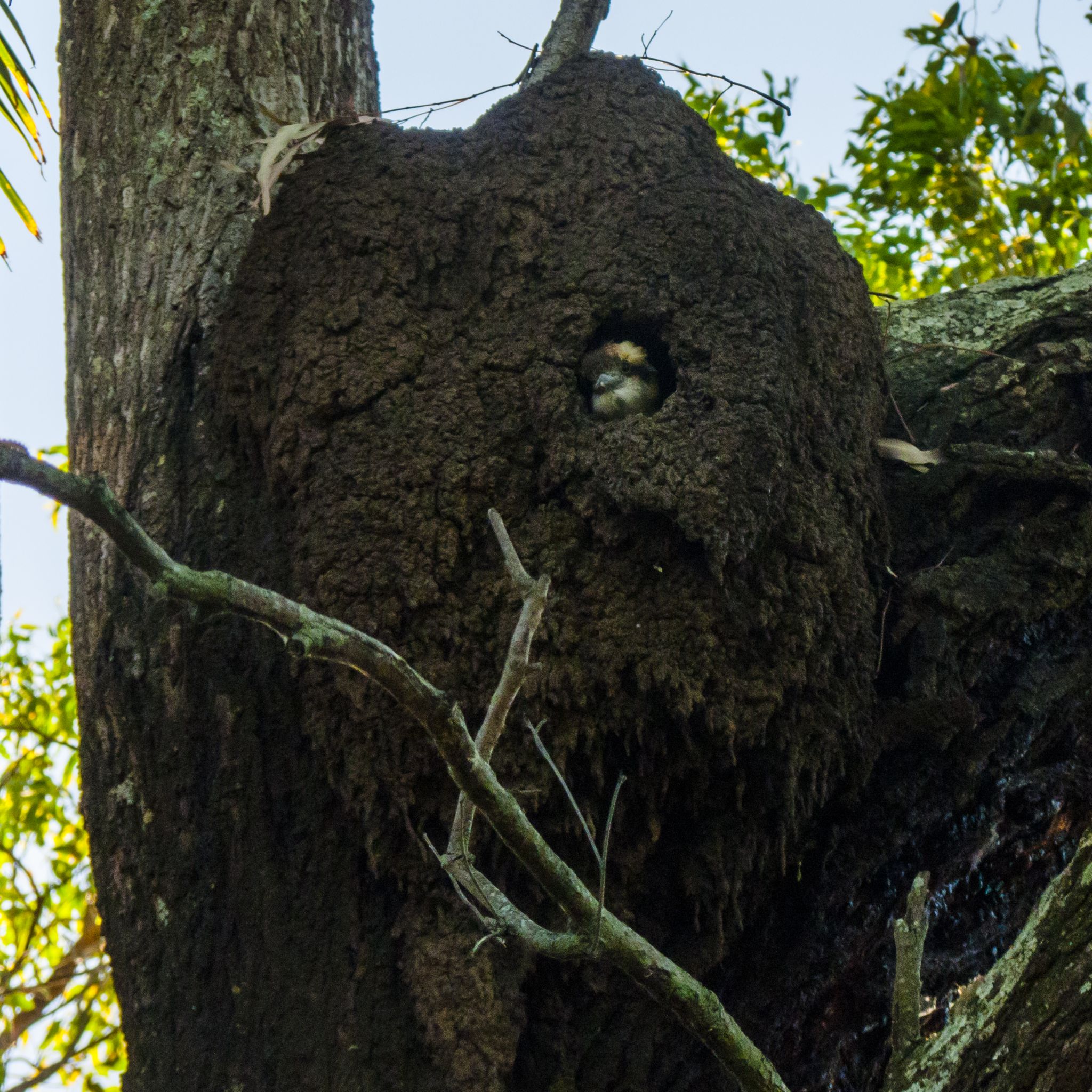
Second, N. walkeri, who thrives in arboreal nests, joins with the laughing kookaburra, an unwelcome oddkin, to provide insight into the dynamic of agentive co-constitution and alternative subjectivities within a sympoietic rhetorical situation.
Third, M. darwiniensis, in the guise of a worker termite who crafts a subterreanan nest from its bodily fluids and soil, highlights porous materiality and the alternative textur-alities validated by a sympoietic rhetorical situation
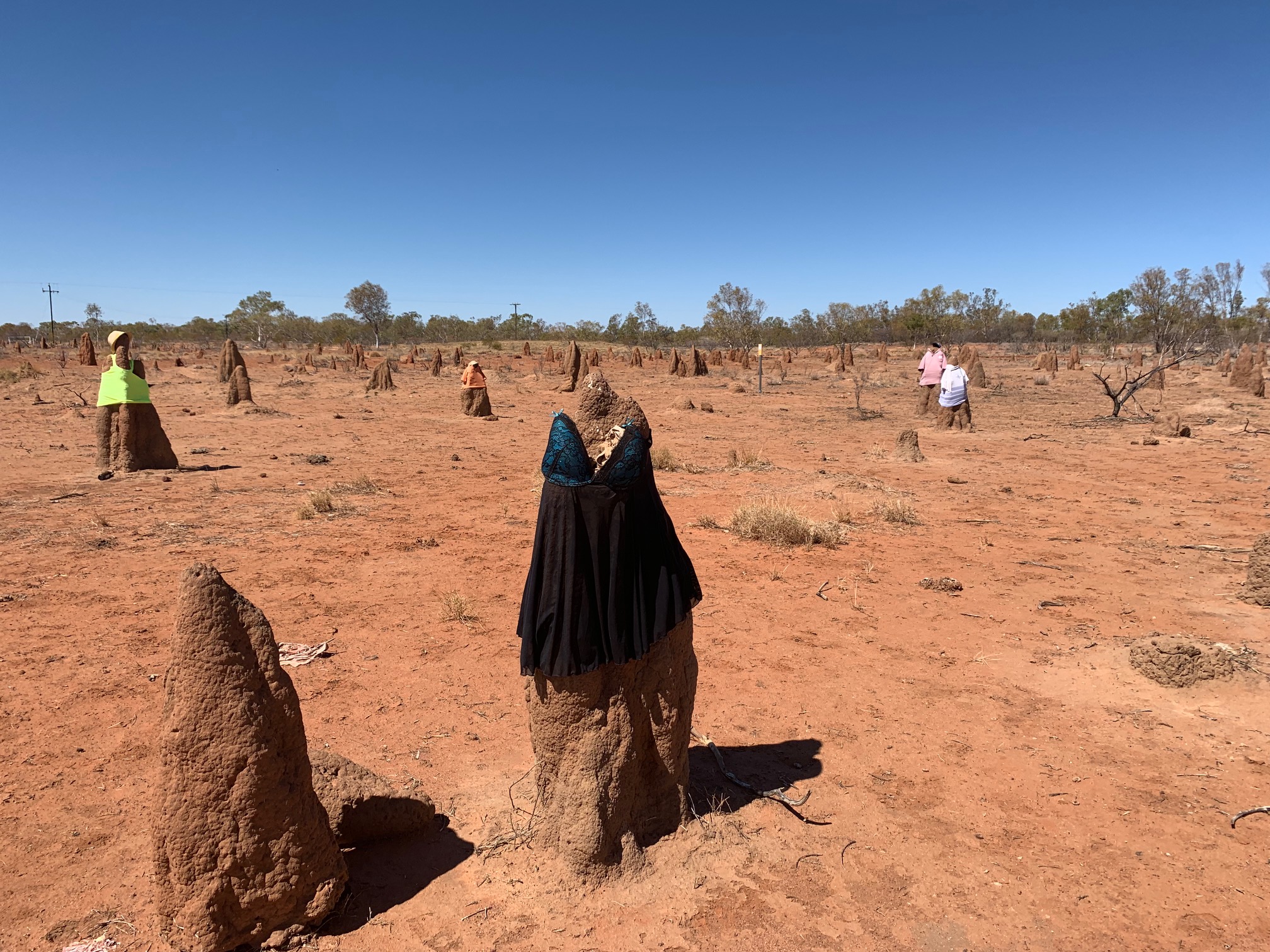
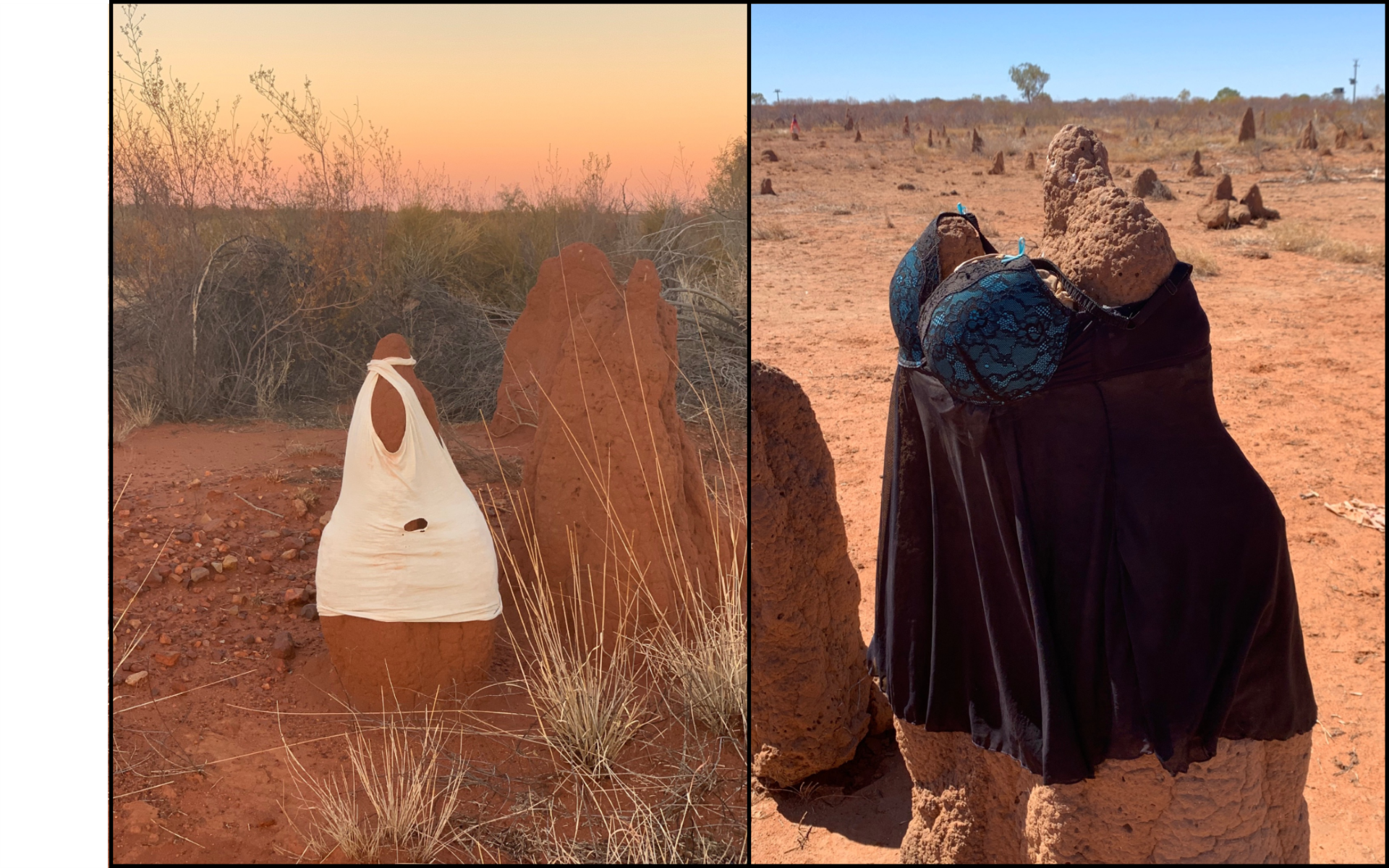
Finally, N. triodiae, or the cathedral termite, in its mound home makes kin with humans who craft "mound people," thereby underscoring the necessity for rhetorical accountability: the ethical face of a sympoietic rhetorical situation.
Reflecting Yancey's contention that there is more than one way into and through a text, readers can explore this multimodal composition by forging their own pathways, their own mud tubes (the avenues by which termites move from nest to food sources).
Each "section" can be read fully or partially in any particular order.. . . although "Making-Kin" in (Un)Conventional Beginnings does provide a discussion of the two key concepts driving this exploration: oddkin and sympoiesis. Starting with the end, with the "An Unconclusion," is always a favorite option.
The accompanying Google slides offer potential mud tubes through oddin Yancey's sympoietic rhetorical situation, with options to visit with agentive co-constitution, porous materialities, and rhetorical accountability in linear and non-linear ways, consuming in full or part, sampling as you go.