




Shane Wood
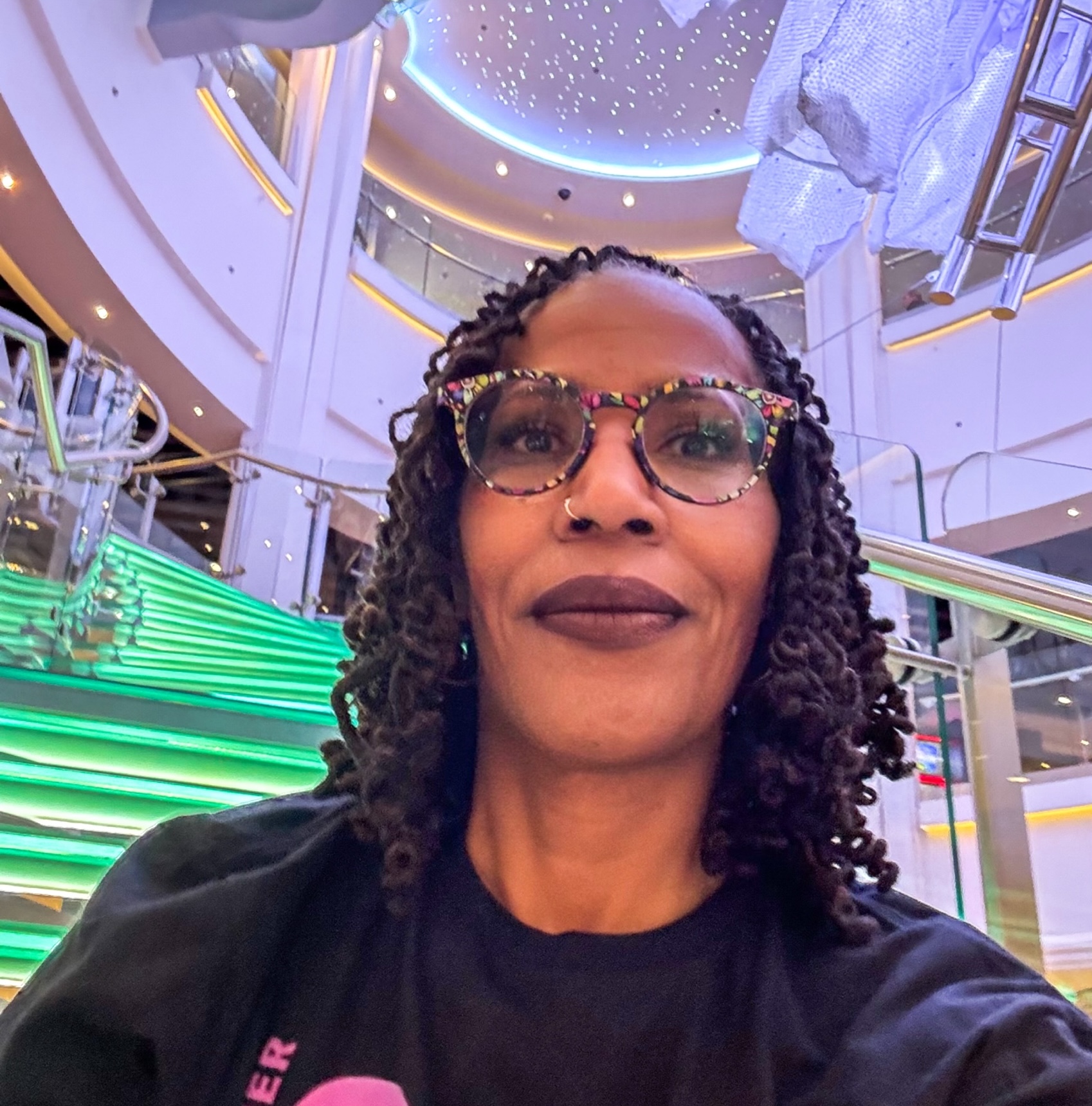
Sheila Carter-Tod
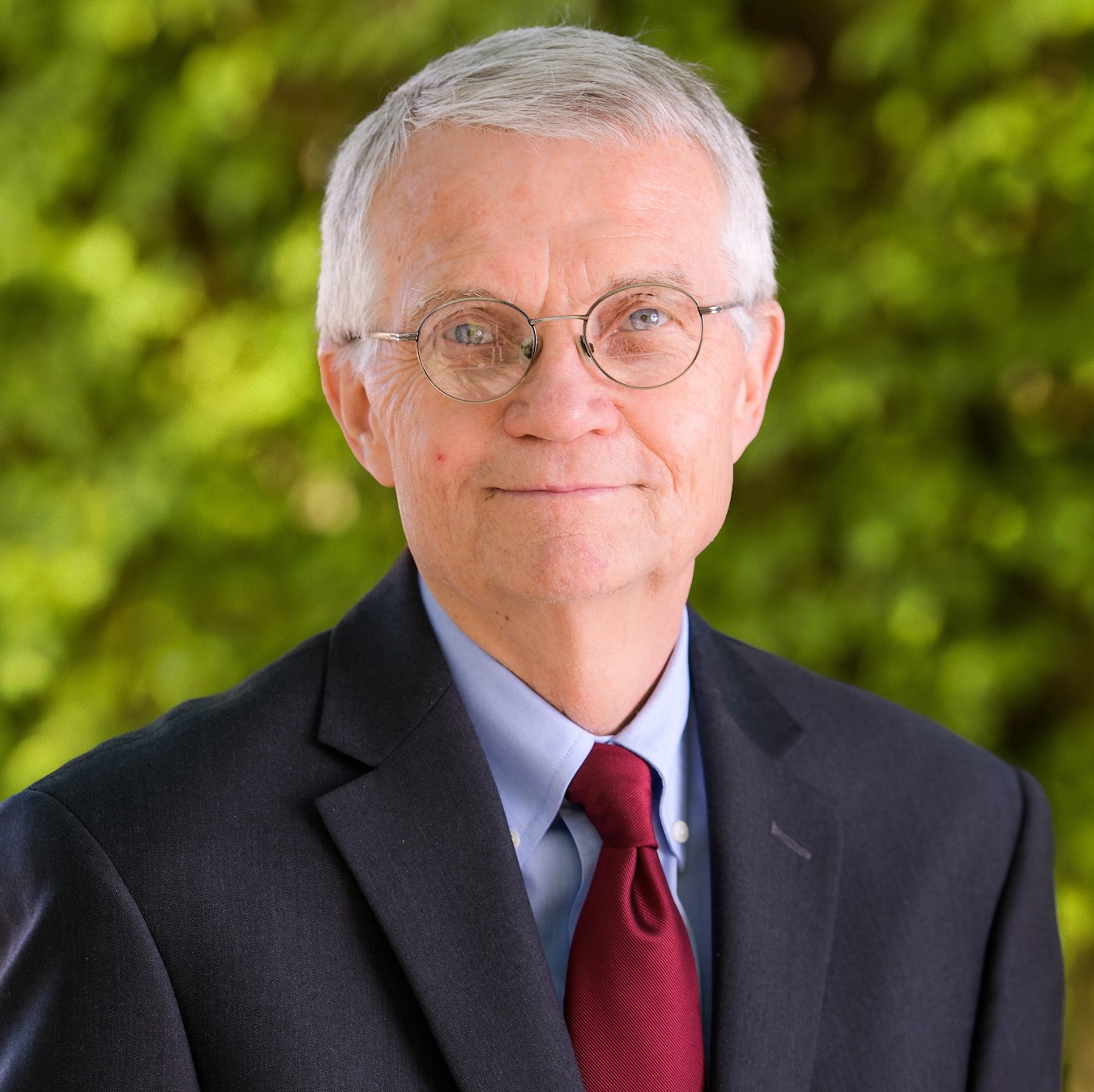
Duane Roen
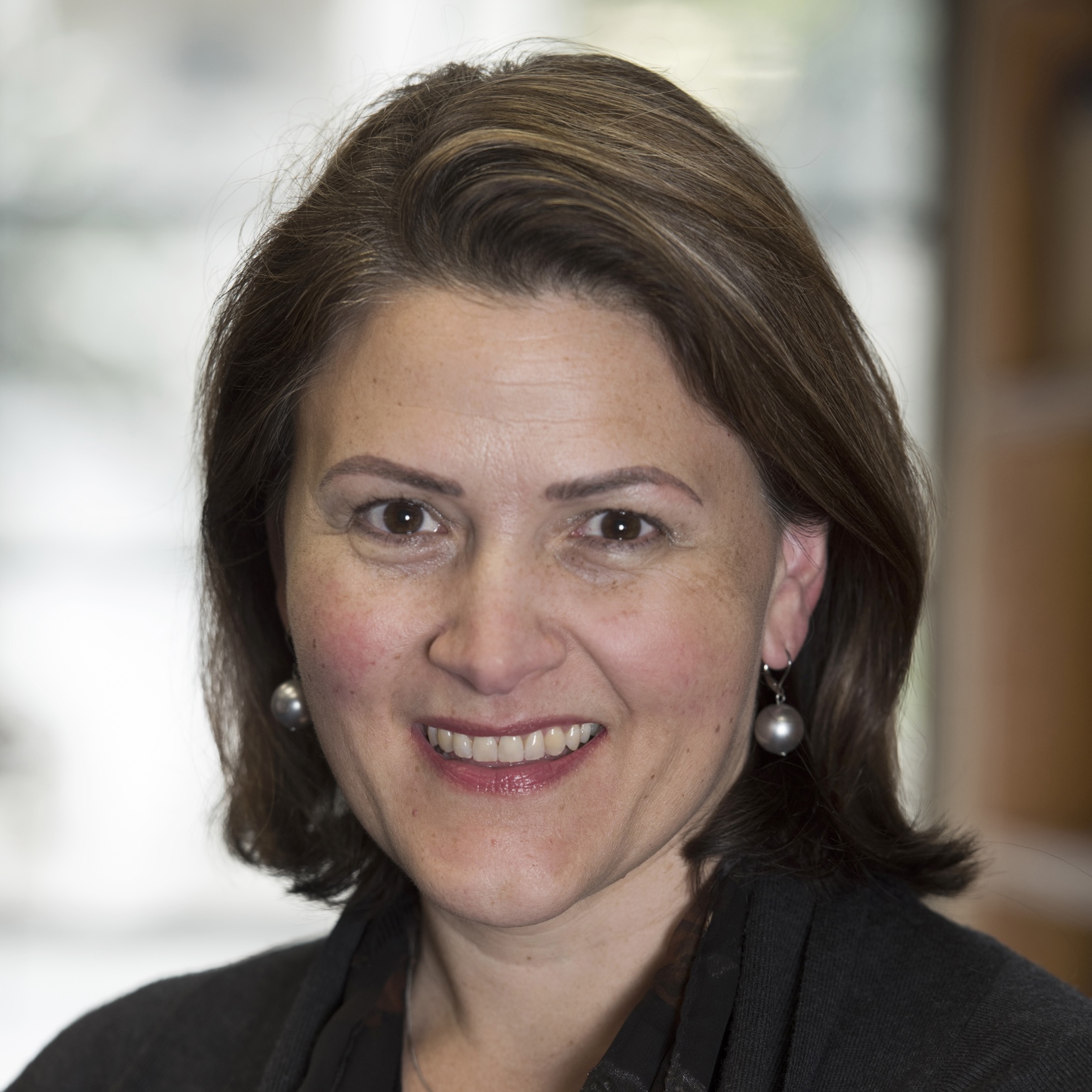
Susan Thomas
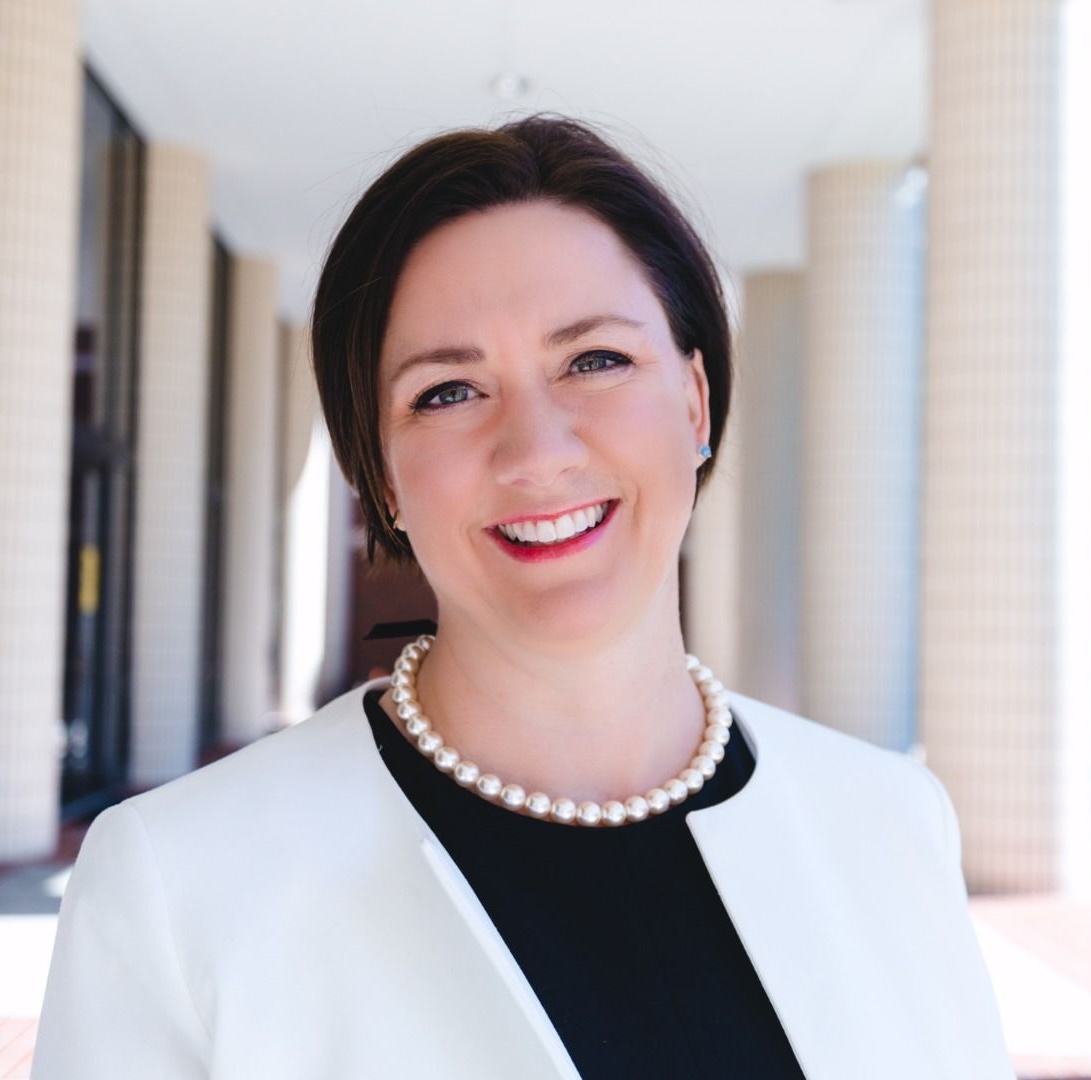
Sherry Rankins-Robertson
Introduction
Shane Wood (00:00):
This chapter is “X for X Factor,” and our prompt was framed around the idea of X factor, meaning the quality of a person that leads to success. And Yancey describes X factor in this way, that all of us help construct the field. Whatever we're doing and wherever we are, whether we're teachers, students, administrators, our work, no matter how big or small is contributing to a larger community. And that's something that we should be mindful of. So the five of us represents a multi-generational team of writing teachers, scholars, and administrators, and we work or have worked in various writing program administration roles, along with serving in leadership positions in national organizations and writing studies. Our polyvocal voices and experiences will offer a chorus on reflective practices. Before we get started, let's do some quick introductions and share how we became familiar with Yancey and her scholarship. So I'll start.
(00:57):
My name is Shane Wood. I am an associate professor and director of first-year composition at the University of Central Florida. I'm currently a WPA and I was a WPA previously at my previous institution. I actually looked at my dissertation before this conversation to see if I cited Yancey, and I did. So my dissertation was on writing assessments and particularly teacher response to student writing. So my familiarity with Yancey and her work was through writing assessment. She has an article talking about the different waves of writing assessment, and she maps out the history of writing assessment through these different ways. So I used her work and her scholarship in my dissertation, and then I had the good fortune and pleasure to meet Kathi a couple years ago on a podcast I host, and that was my first in person interaction with Kathi. Sheila, do you mind introducing yourself?
Sheila Carter-Tod (01:55):
Sure. I'm Sheila Carter-Tod. I am at the University of Denver. Let's see. My administrative roles are I am the executive director and chair of the writing program here. I'm also the director of the Black Studies Program here. I met or I encountered, I should say, Kathi's work fairly early on. What not many people know is that I actually started out in curriculum instruction. And so there's a lot of my background that deals with teacher education as well. And I believe Kathi and I share some of that in our backgrounds. So I worked a lot with her reflection work early on with helping to prepare teachers and talk about what it means to be an effective educator and reflective ed practitioner.
Duane Roen (02:44):
And I'm Duane Roen. I'm a retired faculty member from Arizona State University. My administrative roles, excuse me, have included WPA position, director of the Center for Study of Teaching and Learning, a dean of two colleges and vice provost and also president of the faculty senate. I first met Kathi in 1979 when she did a presentation at the 4Cs Conference in Minneapolis. I was a graduate student at the University of Minnesota at the time, and she talked about teaching textual coherence, which has not been a big part of her body of work since then. And I was so impressed at the time, I remember that session very vividly. And then after that, I became familiar with her work when she was president of the Council of Writing Program Administrators, and she was such a dynamic leader as she became in other organizations as well.
Susan Thomas (03:41):
Hi, I'm Susan Thomas. I'm at the University of Sydney, where I've been for the last 20 years. I'm one of the rare people who has spent my entire academic career in one institution. I've worn many hats over the years. I've founded a writing program and writing center here in Sydney. I'm currently serving as graduate director. I've been associate dean and director of teaching and learning across the university. As many people know, writing people tend to get pulled into these big administrative roles because we do them well or we try to do them well. Maybe that's part of the X factor. But I came to Kathi's work in grad school when all of our professors were recommending her. She was one of the few people at that time talking about pedagogies and technologies in ways that made sense for future forward-looking approaches to writing studies into the future.
(04:34):
And so her “Composition in a New Key,” even though it's a little dated, which was part of her chair's address, C’s chair's address, has become a staple in my professional writing courses at the university. And she's one of those artists... She's like an artist like Elton John, who we might say they've written the soundtrack to our lives. She's certainly written the script for my professional life because it seems just when the field has a new challenge, she comes out with something to meet it.
Sherry Rankins-Robertson (05:06):
I'm Sherry Rankins-Robertson. I am department chair and professor at the University of Central Florida. Prior to coming to UCF, I was at the University of Arkansas, Little Rock, where I was an associate vice chancellor of academic affairs and a writing program administrator. I worked at Arizona State University before that doing some administrative work in Writers Studio, which is a fully online first-year composition program that I helped to develop and work on with a couple of other colleagues. And then before then, I was in a two-year college setting. So I worked at various institutions and various types of roles, tenure track, non-tenure track, two-year, four-year, and currently at an HSR. I encountered Kathi Yancey's work as a master's student in the 1990s when I learned about assessment and best practices and e-portfolios. As an undergraduate student, we were required to produce e-portfolios, but as a master's student, I actually learned about that when I taught e-portfolios in the late 1990s, early 2000s.
(06:12):
But the first time I met Kathi Yancey was, we were both on the campus of Lee College, a little school south of Houston, and we were there for similar reasons, but different reasons. And so she was doing a workshop. I was doing some work in the field, and I had the opportunity to get to meet her there. And it was just so lovely because she, as you all know, is incredibly generous and she greets you as though you are an old friend she has known all her life, and that makes you feel seen and important. And Kathi certainly has that ability to pull us in. And as Susan said, what it means to do this administrative work. So thank you, Shane, for hosting us.
Shane Wood (06:52):
That's the chorus of voices that will be guiding this conversation today.
Click for audio
When Stephen McElroy, Matt Davis, and Rory Lee invited us to contribute to a festschrift honoring the life’s work of our friend and colleague Kathleen Blake Yancey, we were overjoyed by the opportunity. Kathi has enriched our lives in the same ways that she has enriched the lives of some many other people in our field. Through her research and publication, she has provided insights that have influenced and informed the work of many hundreds of scholars. And that influence began early in her career. For example, when Duane heard Kathi’s CCCC’s presentation on text linguistics in 1979, he became so interested in the topic that he decided to write a dissertation on text linguistics. He has been citing Kathi’s research ever since. Kathi’s work on the Museum of Everyday Writing inspired Sherry to redesign her curriculum in the early 2010’s to have students focus on, collect, and submit to the museum while reflecting on the importance of everyday writing in their lives.
We are grateful that Kathi has mentored each of us, and many others, throughout her career. She has always been generous in sharing her knowledge and wisdom. That mentoring has occurred in countless one-on-one conversations in hallways and restaurants at conferences. Of course, she has engaged in plenty of mentoring conversations with small and large groups of colleagues in the field. In those conversations, she makes others feel valued and respected. And her infectious laugh and numerating of ideas have been part of every one of those conversations. Kathi has been a role model for how to serve our professional organizations. She has served on many scores of committees for NCTE, CCCC, and CPWA. And she has served as president or chair of each of these three organizations. We’ve seen firsthand how her service and leadership has strengthened those organizations through her steadfast commitment to fostering a culture in which everyone feels welcomed, valued, listened to, supported, respected, and that they belong.
In the audio text, “X for X-Factor” for the Yancey A to Z collection, the five of us, a multigenerational team, offer polyvocal voices reflecting on how we came to know Kathi’s works and her dynamic leadership through the idea of the “X factor,” the quality of a person that leads to success, in our teaching, research, and administration. In our project, divided into four parts, we offer listeners an opportunity to hear more about how we collectively define success and reflect on mentorship as writing program administrators (WPAs) as a direct influence of Yancey’s modeling for the field and scholarship that has shaped our careers with a call on “emotionally intelligent mentoring” from Carter-Tod to the up-and-coming scholars in our field (Part I). In Part II, our team takes up ideas around adapting to what we encounter each day in our work as WPAs through our daily actions in our academic roles through embodied mindfulness, compassion, and gratitude in unplanned situations. We bring forward the idea of hard listening (Glenn) and advocacy, for both faculty and students, with care by building environments of care for the community. The X-factor of (un)expectancy pushes us to build administrative identity and requires us to question the roles of institutions and the situations we must navigate—in how we transfer our knowledges and sit in the reflective practices for future administrative situations.
We open Part III by inviting Wood to ground his administrative works in the scholarship and habits to look at how we build habits of reflection as WPAs; he laments about the servant-leadership model that drives his works as a mid-career WPA and scholar. Carter-Tod teases out methods for utilizing metathinking that shapes learning and navigating new spaces so that “every X-factor allows us to reflect” through the language Yancey has offered the field to operationalize the labor of writing program administration (8:40-10:40). We close the section about the personal and familial sacrifices that make evident “the choices we make to make space for the work” (Yancey in video CFP), and Carter-Tod grapples with the intense and visible labor that occurs for BIPOC administrators and the armor that is needed. In our final section, we center Yancey’s commitment to community writing and her influence on our works in different settings. We end our conversation on X-factor by offering listeners tips for preparing and sustaining leadership in writing program administration through virtutes, rhetorical readiness, and the social responsibility of being change agents to move our works beyond the classroom and university, as we have seen the intellectual works and mentorship of Kathleen Blake Yancey.
Sheila Carter-Tod defines "success" based on Yancey's framing of X-Factor. Duane Roen offers examples of successful leadership qualities. Susan Thomas reflects on the importance of mentorship as WAs, and Sheila Carter-Tod challenges the discipline to listen to younger voices.
Click for audio
Defining Success and Mentorship as WPAs
Part 1
Shane Wood (00:00):
Sheila, I want to ask a question to you first. I'm hoping that you can respond to the X factor definition that Yancey proposes or constructs for us and how you've come to understand and define success. So here I'm thinking back to how she describes the X factor as all of us helping construct the field and its relationship to a quality of a person that leads to success.
Sheila Carter-Tod (00:25):
One of the things she did talk about is that while you can be conscious of this, it's most effective if you're not conscious of it, if you're not thinking about the fact that what you do has an impact on a larger portion of people than you realize. And when I'm considering that as an X factor in terms of what I've done to play a role or what I think success would be. I've come to the conclusion that it is finding a space to be yourself and be the kind of administrator that you value. Because a lot of people can bring together a lot of different things and they could also replicate things. But it's when you shape it and make it your own sort of style of doing things. It's when you create something from the parts, I feel that that's when it's successful.
(01:12):
And then I guess a lot of it has to do with thinking about how am I measuring success? And that's where I think it comes back to those personal values, thinking about it in terms of have you provided an opportunity for other people to contribute to the field, to help construct the field? Have you opened up opportunities so that you aren't replicating yourself, but you're also creating a field that has all these different sorts of thoughts and ideas communicated in multiple ways. And I guess that to me would seem like success. And that goes back to that X factor of how have I thought about shaping the field or how have I thought about that as an X factor? And I think it means coming to this sense of understanding who you are in your environment. We talk about rhetorical situations so much, but it's always about understanding who you're working with and what their needs are, understanding how you work with that person and how you create something or those people. I should say, I've got 30 faculty.
(02:16):
So how do you create something that you're all bought into and that you feel you're moving something forward with while respecting all of those different individuals in the process?
Duane Roen (02:29):
As I think about what Sheila just said, it resonates so much with me. Be the kind of administrator you want to be. Be true to yourself, provide opportunities for people to contribute. Be self-aware, understand the needs of others. Who would want a field other than the kind of field that Sheila just described is my question. And I think about how Kathi has done that in her work in the field, and I've tried to emulate that in my career as well. She has worked so hard to foster an environment in which members of the community feel welcome, valued, included, respected, that they belong. And she's been a role model for that the whole time that I have known her. And she's done that by consistently. And again, something I aspire to, and I don't know how well I succeeded, someone who shows empathy, compassion, generosity, self-awareness.
(03:27):
But the one that I probably appreciate the most is her sense of humor. And I think I've learned a lot from Kathi about how to have a sense of humor that helps every situation that helps us when we're in stressful situations. So someone comes into our office when we're doing administrative work and they're not happy with us and they tell us very clearly that they're not unhappy with us. And so on the outside, we have a straight face, but on the inside, we're probably chuckling to ourselves that someone could talk to another human being that way, which reminds me of something that Kathi always says to me to help keep me humble, and I'm so grateful for this. Kathi frequently says, "Duane, you are much, much older than I am, but if I should happen to die before you do, Duane, would you be one of my pallbearers who can let me down one last time?"
Susan Thomas (04:26):
Yeah, I think so many times we think that to be an effective mentor, that the person needs to be older than us and farther ahead. And certainly that is true. But I've heard Kathi say before that... and she was extremely helpful to me when I became president of CWPA and some of the challenges that are... again, navigating the unexpected, that term was certainly not what I expected. We had a global pandemic, we had an organizational culture audit. And Kathi kept saying, it's not one person. You can't do it the way that anyone else has done it. But you can take things from their perspective that can relate to what you're going through. She used the words like advisory, your own personal consultation group. And I think it's important to have mentors. Somebody said that if you're over 45, it's essential that you have a mentor under 30.
(05:20):
And this is something, at least one person on your team who's advising you that is from a different generation. And I think this is what's so important, and I think it's what set Yancey's work... Has really made it stand out, I should say, that she has made an effort to include so many voices and so many generations and so many people around her that can see things from a different perspective. And I know that one of the most valuable parts of my leadership of CWPA was working with the WPA GO graduate organization. We've had so many leaders come through CWPA who began in WPA GO. You invite people to the table, you make a place for them. It's about creating these moments. And we think about kairos in rhetorical study. And I think Yancey's been a master at just knowing precisely the right moment or maybe the right person to call upon, but knowing how to surround yourself with people who can give not only advice from experience, but different perspectives on situations as they emerge.
(06:23):
And part of this is emotional intelligence. Part of it's empathy. I mean, part of it is adaptability and being inclusive. But I think part of it is just realizing that the field is constantly changing and being wise enough to be on the front foot to know what sorts of people... It's not just about looking backward to say, "Well, who can I talk to about where we've been?" But to have new voices to help chart where we're going. Mentorship is more of a lateral relationship than a linear one. That's a healthy way of approaching it and to know which mentors to choose for the right situations.
Sheila Carter-Tod (07:05):
Yeah, I think that it was interesting. There's several points that you brought up, Susan, that I can connect both to the work that Yancey does. But also to this whole larger idea of mentoring and thinking about it in terms of the pathways that we either cut or create or help to shape in some ways. And I think that she had mentioned this whole idea of building up and bringing along that you talked about, and that really resonates in terms of thinking about those scholars. I was considering the scholars that I know their work as affiliated with her work. And I think a lot of that was building up or bringing along. To me, that's a mentoring that's building up, but it's also bringing along and it's helping to reach out. And I've watched how her work then connects with other people. So we can trace these pathways.
(07:56):
And then I think that that's been exemplified in a lot of the work that Kathi's done. It is so easy for us to get stuck in our ways and be rigid about how we see things and how we think about things and want to mentor in that same way. And what happens is that we can't have a dynamic field if we're constantly looking to the same people to talk about the same things. And so what happens when you listen to those younger voices, because there's been some really wonderful, I would say, demographic transitions that have happened in higher ed in general. So if we think about how we see the pipeline of people groups coming through higher ed and whatnot. And so a lot of these younger scholars are our BIPOC scholars in many ways. And while we can't say that the discipline is overly rich with them, we do have some.
(08:50):
But if we're not listening to them, if we're not listening to how they think about what knowledge is, how they think about what it means to publish or to create text, then I think we're stagnating our discipline. And I'm thinking about a lot of my earlier work was borrowing from some of the work that she'd done about e-portfolios. And what that e-portfolio work did was it brought some of that conversation in a very distinct way into our discipline so that then it grew out in other sorts of ways. And I think that's one of those ones of looking at some of those things that are coming along and listening to those people that are doing things in different ways that she has done that I think is important. And I also think that it's really, really important to think about mentoring in terms of how... Back to that concept of how we shape the field.
(09:39):
And so if we want our discipline to be a little different than what we see now, if we want it to be dynamic, if we want to be responding to the changing demographics, we have to think about who we're building up, who we're bringing along and how we're bringing them along. And so it's one thing to build someone up and bring them along if they're doing what you're doing, but when they're doing something that challenges what you're doing or they're doing something that may contradict or even disrupt something you've established, people sometimes aren't so cool with that. That's not always something with which people are comfortable.
(10:12):
So I think that the emotionally intelligent part of mentoring is knowing when to get out of the way and knowing when to be mentored by and not just to mentor for. And I think that is going to be key as we are sort of looking forward to what's happening in the discipline. I think we need to start revisiting ideas of what do we say? What is knowledge and who is creating it and where are they creating it? Because we can't rely on just coaching our graduate students to do what we did because those venues don't exist and they're not necessarily significant in the same ways as they were. And I also think it silences very specific needed voices, and I think it's not bringing... People don't want to be brought along to do what you're doing. They want to be brought along so that you can help them build them up and do what they're doing well and help to see that as a way of moving the discipline forward.
(11:07):
Watching the ways that Yancey did that in collaboration with specific graduate students and then how they forwarded those same behaviors. But then also thinking about how then can we continue to do those sorts of things as we shape the future of the discipline. I mean, I'd love to believe that... I have been doing it a long time, but I'd love to believe I'm going to be in it a little bit longer, probably another five to seven to 10 years at least. So I want to leave the discipline looking nothing like I went into it. I'm excited about the opportunity to think about lots of people doing some really cool stuff that I may not understand. And I may not know how to guide them in it, but helping to trusting what they know and investing in that and helping that to be what our future is in the discipline.
Duane Roen (11:57):
I'm reading a book right now by Mónica Guzmán, who's a journalist, and the book is called I Never Thought of It That Way. And the response that we should... Our first response to any new idea that we are skeptical about or even have stronger feelings about is to say or think, "Gee, I've never thought of it that way. Let me think about it and help me think through that idea." And Kathi has modeled that so well throughout her career and everybody she's worked with in the field. She's never made anyone feel other than, "Gee, you've got an interesting idea there. I need to think about that."
(12:31):
And a little bit more about mentoring, I also think about Bill Nye, the science guy, who says that every single person we meet in life knows something that we don't know, and we can learn from every person that we meet in life. Don't ever miss a single opportunity. And as I think about Kathi's interactions with people, I think of her interacting with people in those ways. She's always curious to know what she could learn from the people around her.
(13:01):
Mentoring is really important. Intellectual work has already been mentioned. And if you think about the work of Ernest Boyer, for example, in his categories of scholarship, and you think about the various ways that mentoring fits that, Kathi has engaged her students in the scholarship of discovery in every way you can imagine. But she's engaged so many other people in the scholarship of application, integration, teaching and learning, but also service. And Kathi has been such a role model for service.
(13:36):
I also think about related roles. I think about the roles of allies and advocates. In addition to mentoring the people we work with, the people in our communities, the people in our units, we should be thinking about how can I serve as an effective mentor? How can I help support people? How can I be a good ally? How can I be an advocate? Especially colleagues who come from groups who are called upon too often to advocate for themselves. We all need to be in this game of advocating for one another and being allies for one another.
Sherry Rankins-Robertson talks about adapting and responding to the unexpected as WPAs, which Yancey mentions as essential to having the X-Factor. Susan Thomas shares how to embody mindfulness, compassion, and gratitude in unplanned situations. Sheila Carter-Tod reflects on opportunities for advocacy in unexpected moments, and Sherry Rankins-Robertson discusses the role of transfer.
Click for audio
Adapting to the Unexpected as WPAs
Part II
Shane Wood (00:00):
Sherry, one thing that Yancey mentions in the video is how an X factor adapts and responds to a situation that isn't planned or isn't anticipated. And I thought maybe we could move our conversation in that direction because that really stood out to me as she was talking about that. So as writing program administrators, we often find ourselves in positions like this, the unplanned, something comes up and then we're called to respond. And often, I think people are looking not just at what we say, but how we respond. I think that's really critical in our work as WPAs. Sherry, I was hoping maybe you could talk about how important this is, this X factor characteristic, this ability to respond to the unexpected, and then specifically to respond with care and compassion, which I have seen you do so well. How do you navigate difficult situations with compassion, with mindfulness, and with reflection?
Sherry Rankins-Robertson (01:03):
Shane, so I just want to say if the people who are listening could see the faces on the screen, they would say that that's what this group of scholars here has done in their life's work. It means to show up and do the work. It means that we most days know that when we come here, we will not know what we're going to anticipate wherever they hear is and whatever those spaces might be. We also know that the regular work of these jobs start at 5:00 or 6:00 PM. Because we come in all day long, there are lots of unknowns. And so I think that that's the nature of this work. And I know, Susan, I know you've recently written a book on that and hopefully you'll say a little bit more in a minute about that. But I think, Shane, to answer your question about this ability to show up with care and compassion first means to listen.
(01:56):
It means to just simply hear what people are really saying to you because most of the time they are not saying the words of what they're really saying to you, what people's needs are and what is happening. We don't know how to do a lot of the work we're trying to do. As young faculty or young scholars, we do not know how to negotiate or advocate for ourselves as Duane recently talked about. And so Sheila's scholarship talks about specifically, it is our responsibility to do that advocacy and that work. It requires us to be vulnerable and it requires us to say, "You're right, I messed up here. I need a mulligan. Please let me redo it with you." It means to be humble and to try. Every day it's a work in progress, right, Shane? It's not like we got it all figured out and we show up on Wednesday and it's way better.
(02:48):
We're still stumbling down sometimes on Thursday and Friday we act a little bit nutty and we have to say sorry Monday morning again. So I think that all of this is work in progress. And so I think about some of the things that my colleagues are saying here today. What have I needed as an administrator? On these faces on the screen with us, Shane, those are the people who have shown up for me as an administrator to help show me what it means to do the work of administration. They have extended to me the things I oftentimes didn't even know I needed extended to me. And whenever this work became difficult, they were the people who answered the telephone and helped provide an answer. I think even Kathi or Cheryl or sort of these lionesses of our field, the feminist scholars of our field who understand what it means to sit still with discomfort and listen and do this labor.
(03:41):
So to mean to do anything with compassion and care, I think it means about the environment. And one of you said a minute ago about the environment that we're creating, and self-care cannot occur without community of care. And that's what our scholarship teaches us, that an individual cannot exercise self-care and has a very privileged idea of self-care if those of us that help shape environments do not build environments of care. And so I can call Sheila and she can say, "Yeah, I need you to take a step back, Sherry. Take a breath." And so that sometimes is very helpful. When I was a brand new administrator, Shane, as a director of composition, I would call Duane sometimes and say, "Does this seem normal to you?" And he would say, "Yep." And I thought, "Well, how is this normal right now? I don't know why. This doesn't seem very normal." And he'd say, "Yep, everything's fine." And so I kept not knowing where the gauge was.
(04:36):
And I think probably there's a lot that's happened for you in the past year where I just kept saying like, "Yep, it's all normal. Just keep moving forward." I think that these are really tough kinds of things for us. We don't know where the gauge is. We're dealing with human beings. We're in the business of humans. And so I think that's a tough kind of thing to wrap our heads around sometimes is be flexible and supportive and listen and provide care and compassion to them. But also to position this job in all of that emotional labor, it's with privilege that I say a lot of those things because what this job looks like for Sheila I think is very different than what it looks like for me. And I think that needs to be noted and acknowledged.
(05:16):
I say all the time, if I win the lottery, I'm still going to show up and do this job. And I mean that by teaching writing, being a part of this, being a part of the academy. To me, the best day of the year is graduation. It is to see these young people come together with their families and see what shoes they picked out and watch them take selfies. And I think there's something beautiful and lovely about those moments, but the moments inside our classrooms. What we're doing here is about citizenry. It is about how we build a democracy and how we build the ways in which we engage with each other. And at the very core of that, starts with listening.
(05:49):
And so I think as administrators, we have so much on our plates and we do things so quickly and we're trying to do things so efficiently, we just go too quick and we have to slow down because it's the slowing down that allows for the compassion and the ability to step back and say to our own selves, "I wish I had done better. I will try to do better and I will recognize when I didn't do as well as I needed to do."
Susan Thomas (06:11):
I think gratitude is something that we often forget in this discipline. And I think we need to be grateful for the students who have shown up, for the colleagues who have shown up. If someone comes to me with a problem, I may not know how to solve it, but I want to help them. I want to let them know in the first instance, "I hear you. I really hear what you're saying. I'm listening. I'm here. I'm going to do everything I can to help you." I've written an article about preparing. How do we prepare females in particular and people from underrepresented backgrounds, for the types of unkind acts, the types of violence they may experience in classrooms. And I want people to know. And I always say to my teaching teams at the start of every semester, "If you don't learn anything from me, if you think I'm a terrible teacher, a terrible administrator, I always want you to feel like I stood up for you."
(07:04):
Kathi represents this beautifully because we know how busy she is. We know how productive she's been. I've had this theory for years that she has cloned herself because I know she's working on AI now as some of the rest of us are. And I have this secret theory that maybe she's cloned herself and there are a few Kathis out there doing all this work because it's just humanly impossible, I think, to be able to achieve the things that she has. But the thing I love the most about her is her transparency. One of the things that she said to me early on when I became president of WPA and we were talking about some things, some issues, and she said, "Look, you have to realize you have to be transparent about your limitations. You can't pretend that you have everything under control if you don't."
(07:53):
She said she thought back to when she had to make the decision that she didn't feel she could be an effective parent and an effective administrator at the same time, I think she probably could have because she does everything so well and makes it look effortless. But I think that whether it's parenthood or whether it's another challenge, we are facing all these demands on our time and so are our students, so are our colleagues. And I think if we can be the person who steps in and just gives them that moment of space, like Sherry was talking about, Sheila advising her to take a step back just to take a minute, take a breath, part of the goal of being authentic is being open to that and being willing just to be human for a minute, just to be together in our humanity with other people and to experience things from someone else's perspective.
Sheila Carter-Tod (08:39):
Both Susan and Sherry have brought out a plethora of interesting and thoughtful concepts around this idea of the X factor of the unexpected and dealing with those unexpecteds and navigating them in terms of a mindful way. And there are several things that I think about. And also, I think Susan, you added the concept of advocacy as well, and you added the concept of thinking about this in terms of listening as well. I think both of you mentioned listening as well. And one of the things that I think that has shaped a lot of what I've done, and I think it has to do with who I am and my positionality in higher education. I've pretty much always worked for PWIs, so I have to think about how navigating that space works. And one of the key things that we were talking about or that Kathi talked about was the X factor of the unexpected in one hand, but then she was also talking about opportunities and networks at the other hand.
(09:45):
And what I don't think people realize is that those go so nicely together. So every unexpected X factor that may beat me down and that may make me really angry or start making me question, like you were saying, Susan, this imposter syndrome and whatnot, start to question all of the reasons I should or shouldn't be here. If I sit in those moments, if I can sit in those moments long enough, I can start to think of them as opportunities and opportunities to do all kinds of things. One, a lot of the things I think are opportunities to change, to change what's going on for people like me, to be an advocate, to make space for those situations, and not always in the big upfront way where people are all talking about it and people say, "Oh, did you see her work about that?" No, it's about those kind of quiet spaces.
(10:36):
I do believe that a good deal of what we've seen in Kathi's work over the years are a little bit behind the scenes sorts of service and the behind the scenes way of helping to move situations forward. But I also think that we still... Again, I keep thinking about what will this look like as we continue to think about these unexpecteds. Some of the unexpecteds, you deal with just at that moment, but some of those unexpecteds, you need to sit in and start to think about what needs to change to make those unexpecteds, to think about all the ramifications of those unexpecteds, I should say. So I'm thinking about... I'm teaching a course this quarter. I have a Black Studies course, and it's the introduction of Black Studies. And it's the most fun I've had in a long time because even the prep is exciting and it's fun.
(11:29):
And it's outside my realm of writing studies as an administrator, but it is in its own administrative realm. And when something crops up in that situation and I'm thinking about, "Okay, I hadn't planned for that. Okay, that's interesting," I also have to think about all the situations around that sort of thing. So if someone says something in class that may or may not help others to feel included in a way that they feel they can respond to it, I need to consider who needs space in this space, who needs advocacy in this space and who needs to feel they're safe in this space because of various reasons so that what happens is... What it's doing is taking that unexpected, that X factor of unexpectancy to a point of opportunity. And I think the transparency that you talked about, Susan, is key in that. I've had lots of times where I've had to come back from meetings or departmental meetings, I'll be like, "Okay. Messed that up. So let's talk about what we want to do with this situation if we rethink it."
(12:29):
But let's also think about all the yuck that happened and the seeds of those yucks. And that's when you work on those opportunities. Unless you tease out the seeds of the yuck, you're constantly solving, solving, solving. And I think those networks of colleagues or friends or whoever you see, that's important. It's important for all parts of our identity, our administrative identities. For me, I always have to have a group of colleagues, of BIPOC colleagues that I can say, "Is this me or is this crazy stuff?" And they'll usually say both, and I'm okay with that, but I have to sit in that moment and I have to tease apart the parts that my feelings got hurt and the parts of, no, this is institutional and this is bias and this is affecting and hurting others.
(13:23):
And when I think about that, then I have to consider, well, what opportunity... What can I change in that? What are my possibilities for changing either quietly behind the scenes or way upfront and really taking a risk? And I think the cool thing about many of us here are that we're in senior administrative positions or actually kind of somewhere in between all of that. And you can make those choices. And I do think that those choices are going to be important, particularly in terms of how you then navigate that next situation, that next X factor, because they come out of the other X factors. And also thinking about, did I listen? Did I consider who needed some advocacy or support in that situation?
(14:09):
Or was I so busy trying to cover up what I did or be embarrassed by what I did that I would not take the vulnerability or the time to say, "This was bad and I did it and I know that, but beyond that, help me to understand, let's work together to think about how we can address the larger issues here. Let's figure out the first sorts of steps, but then let's think about why we are in an environment that this can occur and what do we need to change in that environment so such activities don't occur in the same ways?"
Sherry Rankins-Robertson (14:42):
So Sheila and Susan, if I can say back to you a little bit, I think everything I hear you guys talking about really is about Yancey’s scholarship on not just reflection, not just about the metacognitive moments, it is about transfer. It is about how we are able to advance or move things forward. And one of you guys said something about the idea that, how we shape the field. And I thought a bit about how this field shapes us and it is the scholars in the field that helped shape us. And if we are met with resistance and pain, then oftentimes that shapes us in those kinds of ways. And when we are met with a little bit of kindness and compassion and opportunities to do a little bit better, maybe that is the mantra we march forward with.
(15:37):
Shane, so back to your question, I think it's at the heart of what it means to do administrative work, whether we're doing it composition programs, writing centers, writing across the curriculum, department chairs, deans, provosts, what it means to run operations of this magnitude and size of places where international work that some of you guys are doing, all of that really is about the reflective contemplative rhetorical practices and our ability to understand or read that situation and to engage with each other.
(16:09):
So yeah-
Shane Wood draws on Yancey's work on reflection and shares his experiences as an early career WPA. Sheila Carter-Tod discusses how the past shapes how we navigate new situations and why metacognition is important to writing program administration. Sherry Rankins-Robertson talks about the choices (and sacrifices) we make to make space for our work as WAs.
Click for audio
Building Habits of Reflection as WPAs
Part III
Duane Roen (00:00):
Shane, if it's okay with you, I'd like to ask you a question. You're finishing your first year as a writing program administrator at one of the largest universities in the United States, and I'd like you to reflect a little bit on that experience with us. John Dewey, whose work has had a great influence on me throughout my whole career as an educator and administrator discusses the habits of reflecting in his book, How We Think. He writes, "While we cannot learn to be taught to think, we do have to learn how to think well, especially how to acquire the general habit of reflecting." And Yancey builds on this work along with the work of Vygotsky and Piaget and others to ground her critical work in reflection in the writing classroom. And much of being an administrator comes from our pedagogical practices and our habits of mind.
(00:54):
And in her book, A Rhetoric of Reflection, Yancey writes, "Reflection is a process we use to make meaning and to make knowledge, a kind of meaning and knowledge unique to reflection given its intersectionality. Its insistence that only through bringing the human and the world together to theorize can reflective knowledge and meaning be made." So my question to you is, what X-factor characteristics are you finding useful in building habits for reflection as a WPA early on in your career? Secondly, whose voices are the X factor administrators you listen to or look to when doing this work?
Shane Wood (01:36):
I think I'm going to answer your question by maybe connecting some of the through lines in this conversation. And then also with Yancey's work, particularly with writing assessment and portfolios. So I'm thinking here about how Yancey situates reflection as a primary text, not just a secondary text. And I'm reminded that reflection isn't just looking back and looking forward. And I think what others have already mentioned, that it's also just looking around you. And I feel like this is a habit. If I had to identify one habit that I try to situate myself in as a WPA is that looking around, I think that's really, really important for me just as a person, but also as a WPA. I think I'm mindful of this and try to practice this a lot, a whole lot. I'm mindful that really it's never about me. It's about others. It's about instructors.
(02:40):
It's about who's teaching in our classes. It's about our students. The writing program then, it's not about me. The writing classroom isn't about me. And I think a part of that, building this habit of reflection is realizing that, acknowledging that, understanding that it's not about me. I'm just here to support and encourage and build up. And Sheila mentioned advocacy. I advocate for instructors and for students. We talked a lot about mentorship earlier and how Yancey embodied that with graduate students. And she mentions also in this video that without them, then work wouldn't happen. Things just wouldn't happen in a program. And I'm very lucky and fortunate that I get to be in a position to work with and to work alongside graduate students and to mentor them and to support them and encourage them and build them up. I think that's essential. It's one of my favorite aspects of this work.
(03:47):
So I always think about that, how the writing class doesn't exist without students, how the writing program doesn't exist without teachers. And I've just been really lucky. And I know that we mentioned hard work and luck. And like Yancey said in the video, I've been lucky in the situations that I've found myself in, and most of them really do feel quite coincidental. I'll tell a story. I didn't really even know that rhetoric and composition existed as an undergrad. And in that situation, I just listened to a mentor, a professor at Western Kentucky University. His name was Wes Berry, and I just trusted him. I really liked him. I think I saw myself in him in a lot of ways. He was a Kentuckian, very working class background family, first-gen student. I just remember sitting in his office and just listening. I brought up grad school and maybe going to grad school.
(04:44):
I saw my older brother do it and I thought maybe I could do that too. So I remember talking with him [Wes Berry] and he said apply to rhetoric and composition programs. So I did that. And I mean, that felt coincidental that I didn't even know what rhetoric and composition was and then I applied to three grad programs. So I moved from South Central Kentucky to California. Then I think another coincidence where I just got really lucky, I ended up at Fresno State with Asao Inoue as my thesis chair. And then I went to Kansas, and I worked with Mary Jo Reiff, who was my dissertation chair. And I think all these people were mentors, and of course they're mentors. They just modeled compassion. So other kind of habits of reflection is, how am I modeling compassion and care and generosity and leadership and collaboration? And then I also think of another situation at my previous institution, the University of Southern Mississippi of seeing Joyce Inman, she was the WPA before me, and she was just a phenomenal model, a great leader.
(05:51):
How she led the writing program, how she cared about students and instructors and her advocacy for the program and the support of students and instructors really shaped and informed me and my understanding of how I wanted to be in that position. I was really fortunate to follow in her footsteps.
I think that's kind of the looking back reflection, but I want to talk a little bit about that kind of looking alongside because I think it's easy for me to look back. It's actually really hard for me to look forward probably. I prefer looking around me, Duane. So I think that might be the less popular or talked about aspect of reflection is that looking alongside and not just back and forward. But you mentioned, Duane, how Kathi modeled, how she modeled that and how she modeled service to our field and our discipline.
(06:48):
And I think that's just so important. I feel like my job as a WPA is really this working alongside. I think to answer your question about who am I listening to and who I'm looking at in doing this work, I think a lot of it is previous mentors, but also current instructors in our program. Really important to think across programs and across institutions and across positionalities to look beyond yourself, not just first-year writing, but looking at other kinds of WPA work from WAC to writing centers to first-year writing. I think there's several voices, people like Staci Perryman-Clark that I really look up to from afar, Frankie Condon, Ashanka Kumari, Travis Webster, Mya Poe. I really look around again, maybe not back or forward, but just look around me and seeing what other people are doing. And I tell Sherry all the time, I think I'm just trying to show up and be present and do a good job and listen to others and collaborate. So I think that's my perspectives and thoughts as an early career WPA.
Sheila Carter-Tod (08:01):
It's interesting to listening to you go through this and you talk about the opportunities and how you've been in the right place and you understood that. And I think that when we started this, we were talking a little bit more about this idea of reflection and transfer and whatnot. And I think the difference between someone who does that and does nothing with it and someone who does it and utilizes it in their own administrative practices is this concept of reflection and this notion of transfer. So when you're considering all of the people, when you're thinking about the past and you're trying to figure out all these people that have impacted you and whatnot, you're not just thinking, you're meta thinking, you're thinking about it in terms of you're utilizing the reflection even though you don't realize you're utilizing the reflection because it's shaping you. And that's really kind of cool to see.
(08:50):
And then when you consider how that then influences the way you as a newer or newer in this space, I should say, newer WPA in this space, navigate what you do, then what you're doing is you've thought it through enough to know, now what am I going to do in this situation that accounts for what I've learned through my reflection? And that's transfer. I mean, it's really kind of exciting when we think about adding these words to some ideas that have come up throughout all of the opportunities. And I think that's part of the reason I've gravitated towards a lot of Yancey's work is because there are two things. One, I constantly feel like what I have to say, everybody knows, so why would I say it? So I'm constantly thinking, "Why would I write that down? That's just common sense. Everybody knows that."
(09:44):
But when I started to read some of her work, I was like, "That's just common sense, but she's writing it down." And so it was really kind of cool because now we're talking about this, like you're talking about, "Well, I just do so-and-so and so-and-so." But what you're actually doing is you're reflecting in a way to learn and then transferring that to a new environment each time you do it, each sort of opportunity, every X-factor allows us an opportunity to reflect and then to think about, "Oh, there's a new situation." So that's just basically applying that kind of concept to a new situation. So I really like the way that some of her work and some of what we've read about her work as scholars in this discipline has made what we do feel natural, but we needed someone to give it language in very specific ways.
(10:32):
And I think that a lot of her work has given language to what we thought, "This is just what you do and that's what you do." But we now have words to talk about it. And then even when we start to pick apart a little bit of what we're talking about, we're like, "Oh yeah, that's really reflection." And we all know that if you don't actually do something with that reflection, if you don't actually spend time to account for it in a way that makes it real and makes it knowledge for you at that time, there's no ability to transfer it to a new situation, but we just sort of do this. And I appreciate the ways in which, particularly as a new WPA in this environment, you were able to take the things that you were thinking about, reflect on those concepts, reflect on the people, the ideas and whatnot, and then transfer it, but make it your own, make it something that is new. And I really thought that was cool, particularly tying it back to what Sherry had talked about a little few minutes ago in terms of reflection and transfer.
Sherry Rankins-Robertson (11:33):
I think there are a couple of things, if I can pull out that thread a little bit more, Sheila, and think a little bit about some of the things that Kathi's talked to us about X-factor and what it means to do the X-factor work, but who are the X-factor administrators? And so back to your original comment, Shane, about how we respond, how we receive people, and it's not about us. You're right. You are so, so right, and you're so wise to be a mid-career scholar and doing this kind of work and to be thinking about it's not about us because it takes so many decades for many people to really, really get that, Shane, that it's not about us. And so how we move our faces or how people perceive what is happening in those moments. But for me, it is often Duane's voice in my head.
(12:21):
And there were a large number of grad students before me who kind of coined this, "What would Duane do?" And it was because we knew that he handled with care and grace and compassion. He is the Mr. Rogers of our field. And in the sense, I'm sorry, Duane, if you don't maybe like that analogy, but you always think about the neighborhood and the people there in that space. And so it's also Sheila's voice says sometimes here, or Aurora's voice or Susan's voice or Shane's voice, those voices that my contemporaries that give me opportunity to pause and think through and reflect and to think about this administrative work and what we are doing and who we're doing that work for. But Kathi talks in her text that we had access to about this idea, we talked a bit about what you don't anticipate and who you call upon.
(13:13):
And so how we call upon each other whenever things are tough or we want to celebrate, but I want to acknowledge that every single one of us are parents. And so the negotiations we have made with our families to have these jobs have come at a high price for most of us. The sacrifices that our children have made for us to have these careers are significant. And oftentimes, and Kathi opens her commentary about Genevieve is very small and what's happening with her daughter and her negotiation with her spouse to move. She has a quote in here and she talks about the choices we make to make space for the work and how she was having to negotiate. I think if I could go back to when I was in your shoes, when I had children that were about your age, the opportunity to go home at 3:00 P.M. and play tea party with my daughter, I would take it and we can't turn back that time.
(14:09):
So I think the gift that we could give to the young scholars, newer in the field, younger scholars in the field is to help them think about the prioritization of their families because I don't know that it was said to us the way it needed to be said to us all the time. And we know many of our colleagues who have made great, great sacrifices for their careers and it should not be either/or, it should be and/both. And that is just simply not said to women. And it's certainly a, Dr. Carter-Tod, maybe you can say it has not been said to women of color.
Sheila Carter-Tod (14:41):
And there's something I don't want to leave unsaid in some ways. And you were saying how you live your expressions, like your feelings are on your face. And I think that I've never been that way, and I think that it's because of the position I occupy in higher education. I am not allowed to feel in the same ways. I am not allowed to respond in the same ways. And so I think that what we consider the norm when we're thinking about both mentoring and advising and considering and shaping, I think we need to, and I've said it in every realm, I really am not a great fan of teasing apart, but we need to think about these intersectional spaces and we need to be able to hear that it is not the same space for all people. I think that it is, I go to departmental, other chairs meeting and I'm the only one on the screen that looks like me.
(15:42):
And that does, like you were saying, when the first voice you hear isn't your own, that does damage in its own way. And I think about walking across campus and having four to five slights of no one expecting me to be one, faculty or two, an administrative faculty at this institution, and you walk into that before you even hit your desk. And I think that we do need to start to consider some of the toil that that takes on any individual. But I think that what is most problematic about that is not understanding the intense labor that occurs. You're talking about you'd like to clone yourself so that you can be somewhere else and somewhere, but if I've experienced that much before I even hit the door and then I come back to my meeting or something and someone talks to me and I have to figure out whether or not this is coming from a place of insecurity or a place of racism or a place of sexism, or usually it's a wonderful combo pack and you still deal with it.
(16:45):
But all of that invisible labor tires a person, it exhausts a person. So when you're thinking about just moving forward and moving forward, and if I could go back and be mid-career again, what would I choose or what would I do? I think we need to acknowledge that. We need to say that, "You do not have to constantly be bruised in this way." But while we're saying it, we have to say, "But you may choose that and you can choose when you want to fight these battles."
(17:15):
I can't decide what I'm going to do for my very, very last sprint because you don't know how much armor you still have left. And so when we're thinking about the role of those who have done a lot for a lot of people like we see Yancey talking about and the opportunities and the X-factors and whatnot, I think we really need to consider for all those positions of administration, how are we affording those people the opportunities and what sacrifices are being made to exist in those spaces? And so when we say to them, "Well, why don't you just go ahead for this next position?" Are we really thinking, are we saying, "Do you have the strength, the fortitude, or the desire to go at the battle at that next level?" And I think that that is something that, I think it's something that needs to be considered in all of these conversations.
(18:04):
And not just because it's not just my being Black for you for a moment, it's about being realistic about our positionality and thinking about all that we have to do. And so when someone asks us to serve in a certain way, we have to have that opportunity and you can't be disappointed if we choose not to do that for you, but then we can choose when we want to do that. And we can choose as individuals. I choose when I want to be Black for someone. I choose when I want to take apart what's going on. I choose when I call it what I call it. And sometimes I think it's very clear that we have to provide space for that. I think we have to provide space for that. So if I'm not me, if I'm not allowed to be me, if I'm not allowed to be the administrator who I am, then I am not providing a space for that next person. If I don't call it what it is, then it continues to be insidious, it continues to be structural, it continues to be pervasive.
Duane Roen reflects on Yancey's commitment to writing across contexts and explains how vital it is to engage in community writing. Sherry Rankins-Robertson reflects on the joys of teaching writing in prisons. Duane Roen, Sheila Carter-Tod, Susan Thomas, and Shane Wood conclude with ways to prepare and sustain the X-Factor as WPAs.
Click for audio
Transferring WPA work in Community-Engaged Writing Leadership
Part IV
Shane Wood (00:00):
... you know, one through line that we've been talking about and with Yancey's research and teaching is the concept of transfer, of writing across context. She's been the voice in the field for teaching for transfer curriculum, which really explores how writing curriculum can be used to help students navigate new writing situations. And reflective practice, of course, essential to this work.
(00:22):
Duane, community engagement and reflection has been, again, the heart of your work for more than five decades, which is incredible. Can you spend some time talking more about how reflective practice and public facing work – work that moves beyond academia – is essential to our field? Specifically, I'm sure you recall Kathi's established and curated Museum of Everyday Writing. Will you talk about the importance of teaching writing in the community and the roles of transfer and reflection outside the university?
Duane Roen (00:54):
Yeah, that Museum's really cool. A couple things. First of all, within the university, we should be helping students think about how they are transferring what they learn in our courses to the rest of life. I like to talk to students about look at your life, you're going to be in formal education maybe four more years, and then you've got four or five decades of work ahead of you. And then you've got a decade or two or three after that where you're going to be acting in your community and also in your circle of friends and family. So it's important to think about how all of this works in your life outside the academy.
(01:36):
But then for those of us who work in the academy, I like to think of it, and I just think of it this way during our conversation. How can I be the Mr. Rogers of my community? How can I contribute to my community in the way that he did? And how can I specifically as a scholar of writing contribute to my community? And how can I do it in such a way that it's interesting and fulfilling? And why should I be doing this work? Well, the why is we are members of the community and members of any community should be contributing to that community. And contrary to popular belief among some academics, there is life outside of the academy. And I have come to appreciate that very much. And if you read some of the surveys, the Pew data, for example, on public perceptions of higher education, it's not good.
(02:30):
And so part of what each of us has to do, not just people in our field, but people in every field in the academy, we need to be out there sharing our skills and knowledge in ways so that people see you know what? That university's got good people doing good work that benefits our community. And so I've had, and by the way, once you retire as I have, there's more time to do this work. So for example, we are in the 80th day of the year 2024, and I have done more than 80 workshops thus far out in the community. I've done them at libraries, at retirement communities, at history museums, at community centers. And my favorite venues are correctional facilities. I do a lot of work at the Women's Correctional Facility in Perryville, west suburb of Phoenix. I go there six times a month, and I go to the men's facility in Red Rock, which is south of Phoenix once a month right now. I'd love to go more.
(03:39):
And what I do is a lot of work with these populations, both incarcerated and non-incarcerated individuals to write about life experiences, reflecting on life experiences, thinking about how we use language to get things done in the world. And as I do this work, first of all, I get to hear in the workshops, we talk about some questions that I pose for about 45 minutes, we write for about 15 minutes, and then we share what we've written. And so it can't get any better than that. I get to hear all these wonderful stories every time I do one of these workshops from people who are saying things where I think constantly, "Gee, I hadn't thought of it that way before." And so I'm having this opportunity to learn and learn and learn and hear great stories in the process.
(04:32):
And then also, I want to mention some other work. And what I want to say about that work is, for me, that's the work that I find most interesting, the most fulfilling, the most rewarding, the most enjoyable. And it may not be what everyone else on this screen even would find most enjoyable out in the community, but each of us has a responsibility as members of our communities to think about how can I engage with my community in ways that'll make a positive difference in the community while enjoying the work that I do.
(05:02):
And then I also want to mention, I do a lot of work with the East Valley NAACP, and community organizations such as the East Valley NAACP tell me all the time how important it is for academics to get involved in organizations outside of the academy. Not just CCCCs and NCTE and CWPA, but organizations such as the NAACP and others.
(05:31):
So I think it's important work. I think that if everybody engaged in it, we'd have such a much more wonderful world.
Sherry Rankins-Robertson (05:38):
Yeah. Duane, I just want to say first, thank you because I think you know that I learned how to do family history writing workshops and the families writing work being your colleague at Arizona State, helping establish the Writing Recording Family History Project. And I say often when I go out into community environments when I do this work, I was given a gift at such an early age in my life that most people don't get until they're after their age 60 and they have lost many people in their life they don't have access to.
(06:06):
And so as you know, recently having lost a grandparent, I have this gift of her stories. I had the opportunity because of the work we did to be able to capture the narratives of how my grandparents met, about the things that were important and valuable to her as a woman. I didn't understand growing up what it meant to go to college to get an MRS instead of a BA or a BS, but I came to understand what that meant for my grandmother and her generation being raised by a feminist who wanted to do the labor that men did outside the infrastructures that were available to women. I get that differently because of this labor.
(06:49):
And so I think a lot of times people think to themselves, I don't have time for. And I think all the time when I've gone into the prison or I've gone out to a family history or a retirement facility, I oftentimes think of all the unfinished work here on this desk or the hours that we spend late at night at these desks to do the labor. But when you're in that moment, it is what you just said. It's the joy of being able to do what we do free of any constraints of grading or of having to tell someone something silly is happening in the back of the room or whatnot, or please log on because you know it's 16 weeks and we haven't seen you yet in 16 weeks, so you know you're not going to pass the class at 16 weeks. Come on, let's go. And we don't have to do any of that business.
(07:35):
And so I think the reward of being in the community, I think of the work that we did around the role of the public intellect and the responsibility that we actually have of what it means for us to go out and do this labor. But it is a gift to us. It is a gift to ourselves, but this has been a gift to my family. My ability to understand how to do this labor, I have been able to give back to my family, but I also have been able to disrupt narratives about who's inside incarcerated spaces from having done that work for so long. Because people make false assumptions about people who are inside those spaces and our job is also to be disruptive.
(08:11):
So I think if I can just join the chorus of what you've said, and that is we all have to carve out time. And so what it looks like to do service work inside of our institutions, part of the community engaged institution means we serve the community in which we sit in, as you said, and it means that instead of being on this committee here, and that's great, we all do need to be on the committee here. But instead of doing that committee work, sometimes going over to a certain facility and being able to engage with writers and help them see that every person has the right to have access to an education, it is a basic human right, write, it is.
Duane Roen (08:50):
Yeah. And some people say, "Well, don't you ever engage in recreation?" My work in the community is recreation.
Sheila Carter-Tod (08:56):
And I think that we also have to remember that we are so skilled in two things as administrators and as writing professors. And so I think about all the opportunities that we have to communicate or to influence or to work with people in that. And so your local schools, I think that's a big factor to consider. The public schoolwork, there's a lot of high schools that have little to no support in terms of their teacher professional development. And so just going in and thinking about that. Little things like just acknowledging the work that they're doing because of what they do, we can do what we do, and I don't think people get that sometimes.
(09:31):
And I also think about little things. There's an African arts museum that is starting from the ground up and just writing the pamphlet for them was fun because I'm learning and they just needed someone to do that or working through grants for those things. You can find work in your community, and I think it keeps you connected and it keeps you sane because institutions are institutions. So you need to remember that you need to check out every now and then in order to even be able to visit and able to be able to participate in a full way. So I am 100% behind the thoughts around that.
(10:11):
And if you can't do it, if that's not your inclination, figure out ways to support your faculty who can. And I think that's like 80% of it. It's like, if I can bring in money, you go out and do that. That's cool. But I do think that that connectedness is important because otherwise we become so much of what's going on in the higher education environment that we lose ourselves. And once you've lost yourself, you can't wait till you retire to get it back. You've got to be pulling from it all along. You got to be feeding it all along.
Shane Wood (10:38):
All right, let's end our conversation here with this question. So one of the notes that Yancey left us to help us think more about was this, assuming X factor really is a thing in leadership and administration, how do we prepare for it and how do we sustain it? So let's end here and maybe a couple of you or all of you can share briefly your thoughts to these questions.
Duane Roen (11:04):
I will just say very briefly, the most important thing is to listen to everybody with empathy and act on compassion.
Sheila Carter-Tod (11:13):
I would say that we are the X factor. Everybody you encounter, every situation you are in, every opportunity you're presented with, every challenge, we are the X factor. How do we prepare for it? We just start to think about, we think about the situation. How do we prepare for it? You prepare for it rhetorically, right? So I think we are the X factor.
Susan Thomas (11:33):
I think the unexpected is the reality and having a skillset, having these virtues to draw from. Transparency, reflexivity, compassion, inclusion, all the things that we've talked about today will help us know how to act in the moment, which is the [inaudible 00:11:52] moment that we call this discipline of rhetoric or what defines this discipline.
Shane Wood (11:58):
One of the through lines I feel like I keep hearing is this idea of it's a necessity, it's essential to be compassionate listeners and responders. That to me feels important in this X factor role. So how do we sustain that? And maybe we'd be mindful of the labor involved in this work and to know that our work isn't just who we are, it's not just our identity. That our work hopefully transforms and transcends beyond the walls of academia, as Duane has mentioned and Sheila has mentioned. Our identity isn't defined just by this position as a WPA, that there's so much to learn and to gain from listening to other perspectives and experiences, and that seems to be a primary role of how we sustain this type of work.
(12:54):
And then to follow up on that last conversation, we have a social civic responsibility as teachers and educators that this work isn't just in the classroom, that it extends beyond that, that it's public facing. That we have this social responsibility to engage in what writing is, what languages, who's included, who's excluded. We have that responsibility to foster those conversations beyond the walls of our classrooms. I think that's really important.
(13:23):
I'm reminded of a mentor of mine who said if teachers are not the ones telling the stories that are happening in the classroom and that are happening in the programs, other people will tell those stories for us and they'll probably be lawmakers and policymakers. So how important it is for our work to move beyond these walls, I think that's the sustainability. That's the sustainability of teaching writing is whenever the teaching of writing doesn't happen just in the classroom, that's how we sustain this work ultimately.
Glenn, C., & Adams, H. (2025). Listening, when the listening is hard. In J. E. Beitler & S. R. Robbins (Eds.), Sites of writing: Essays in honor of Anne Ruggles Gere (pp. 271–284). WAC Clearinghouse.
Kryger, K., & Zimmerman, G. X. (2020). Neurodiversity and intersectionality in labor-based grading contacts. Journal of Writing Assessment, 13(2), 1–12. https://escholarship.org/uc/item/0934x4rm
Inoue, A. B. (2019). Labor-based grading contracts: Building equity and inclusion in the compassionate writing classroom. The WAC Clearinghouse; University Press of Colorado.
Museum of Everyday Writing. (2010). Museum of Everyday Writing. Florida State University. https://museumofeverydaywriting.omeka.net
Roen, D. (1981). The effects of selected text-forming structures on college freshmen’s comprehension of expository prose. [Doctoral dissertation, University of Minnesota]. ProQuest Dissertations and Theses Global.
Yancey, K. B. (1979, April). A linguistic approach to teaching coherence [Conference presentation]. CCCC Convention, Minneapolis, MN.
Yancey, K. B. (2023). X for X-Factor [Video]. YouTube. https://youtu.be/2TFutEKCj5I
Zimmerman, G. X. (2024). Enhancing ungrading: Ideological assumptions and disability justice interventions. Pedagogy, 24(3), 341–355. https://doi.org/10.1215/15314200-11246271